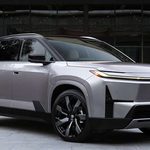
The Toyota Sequoia is a full-size SUV that Toyota has built for the North American market since 2000 and that shares its underpinnings with the Tundra pickup. The 2019 Sequoia belongs to the second generation (XK60), which was introduced for the 2008 model year and ran through 2022. The 2019 model was therefore a carryover vehicle: it kept the same body, the same 5.7-liter V8 and the same six-speed automatic it had used for more than a decade.
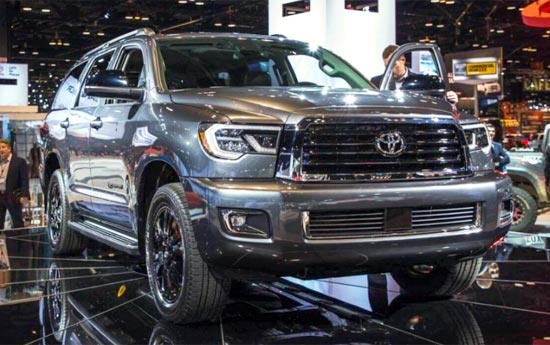
The 2019 Sequoia Engine
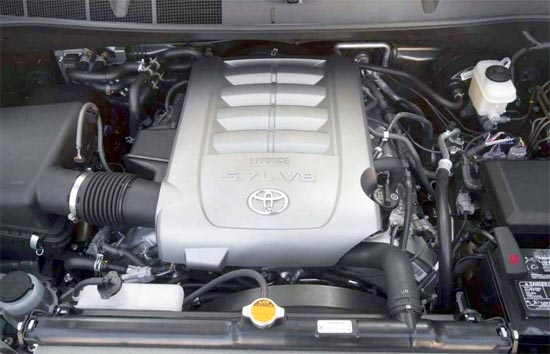
Every 2019 Sequoia is powered by Toyota’s 3UR-FE 5.7-liter V8, rated at 381 horsepower at 5,600 rpm and 401 lb-ft of torque at 3,600 rpm. It is paired with a six-speed automatic transmission, and buyers can choose rear-wheel drive or part-time four-wheel drive. There is no smaller engine, no turbocharged option and no hybrid in the US line-up. The 5.7-liter V8 was itself carried over from the 2008 model, when it replaced a 4.7-liter V8 as the standard engine.
Toyota does not offer a 5.2-liter V8 or a 3.2-liter V6 in the Sequoia. Those figures, which appear in some speculative write-ups, do not correspond to any production Sequoia engine.
Trims and Price
The 2019 Sequoia was sold in four trims, all with the same powertrain:
- SR5 — from $49,050 (rear-wheel drive).
- TRD Sport — from $51,765.
- Limited — from $57,545.
- Platinum — up to $67,985 for the four-wheel-drive model.
| Specification | 2019 Toyota Sequoia |
|---|---|
| Engine | 5.7-liter 3UR-FE V8 |
| Power | 381 hp at 5,600 rpm |
| Torque | 401 lb-ft at 3,600 rpm |
| Transmission | Six-speed automatic |
| Drivetrain | Rear-wheel drive or four-wheel drive |
| EPA fuel economy (2WD) | 13 city / 17 highway / 15 combined mpg |
| Seating | 7 or 8 |
| Max towing (2WD SR5) | About 7,400 lb |

A Short History of the Sequoia
The first-generation Sequoia went on sale in 2000 for the 2001 model year. It was based on the first-generation Tundra and was offered in SR5 and Limited trims with 4.7-liter and, later, 5.7-liter V8s. The second generation arrived for 2008, unveiled at the November 2007 Los Angeles Auto Show, with a stronger frame, a fully boxed platform and a new three-trim range of SR5, Limited and Platinum. Production stayed at Toyota’s Princeton, Indiana plant until 2021, after which the third-generation model moved to San Antonio, Texas.
Size, Seating and Towing
The Sequoia is a three-row, body-on-frame SUV that seats seven or eight passengers depending on trim. It offers a maximum towing capacity of about 7,400 lb in two-wheel-drive SR5 form, or roughly 7,100 lb with four-wheel drive. Its size placed it above the mid-size 4Runner and, for 2019, just below the Land Cruiser in Toyota’s US line-up. The Platinum trim adds luxury features such as a power-folding third row and a rear-seat entertainment system, while the volume SR5 and Limited grades cover the mainstream three-row buyer.
Interior, Technology and Fuel Economy
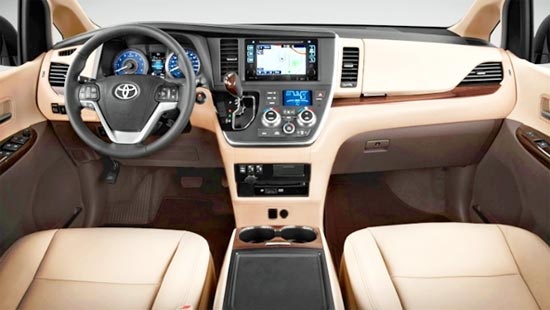
The Sequoia’s cabin is roomy and durable rather than modern. For 2019 it still used Toyota’s earlier Entune infotainment system without Apple CarPlay or Android Auto; those features arrived for the 2020 model year, along with Toyota Safety Sense P and blind-spot monitoring. Fuel economy is the Sequoia’s weak point: the EPA rates the rear-wheel-drive model at 13 mpg city, 17 mpg highway and 15 mpg combined, with four-wheel-drive versions slightly lower. Fuel cost is the main trade-off against quieter, more efficient car-based crossovers in the same price range.
Direct rivals include the Ford Expedition, Chevrolet Tahoe and Suburban, GMC Yukon and Nissan Armada, all of which compete on towing, seating and body-on-frame durability.

What the 2019 Model Was Not
The 2019 Sequoia was not a new generation, did not adopt a new platform and did not gain a new engine design. Toyota refreshed the Sequoia for 2018 with standard LED headlights, daytime running lights and fog lights plus new colors, then added a TRD Pro package and Apple CarPlay and Android Auto for 2020 and a Nightshade Edition limited to 2,500 units for 2021. The genuine redesign arrived in the third generation (XK80), unveiled on January 25, 2022, for the 2023 model year on the TNGA-F truck platform, with towing capacity rising to between 9,300 and 9,520 lb.
Should You Consider One Today?
On the used market the 2019 Sequoia is valued for its durability, its generous interior space and its towing ability, at the cost of fuel economy and ride comfort relative to modern unibody SUVs. The 5.7-liter V8 and six-speed automatic are long-serving, well-documented components. If fuel efficiency or the latest interior technology matters most, the third-generation Sequoia or a large crossover is the better comparison.
Four-Wheel Drive and Trim Options
Four-wheel-drive Sequoias use a part-time system with a two-speed transfer case, which makes the vehicle more capable on loose surfaces and in snow than its unibody rivals but adds weight and lowers fuel economy. The TRD Sport grade added sport-tuned damping and TRD styling details, while the Platinum topped the range with features such as second-row captain’s chairs and a rear-seat entertainment system.
Why Buyers Chose It
Buyers chose the 2019 Sequoia for its combination of body-on-frame durability, three rows of space and strong towing ability, backed by Toyota’s reputation for long-term reliability. It was also one of the few full-size SUVs still offered with a large naturally aspirated V8 at a time when several competitors were moving to turbocharged V6 engines.