The 2020 Toyota Highlander was the fourth generation of Toyota’s three-row mid-size crossover, an all-new model that went on sale for 2020 with updated interior technology and an expanded grade lineup. Buyers cross-shopping it care most about two things: how the cabin is laid out and what it costs. This article covers the 2020 Highlander’s interior, seating, technology, and pricing across all grades, using figures from Toyota’s own 2020 model information.
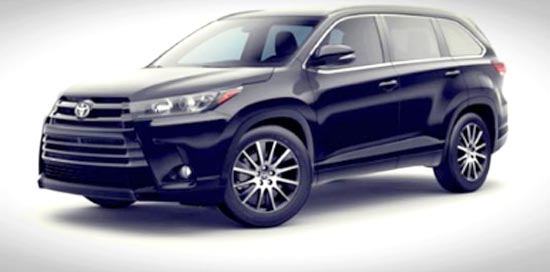
Seating and Layout
The 2020 Highlander seats seven or eight passengers depending on configuration. Second-row captain’s chairs reduce seating to seven while adding comfort and access to the third row, and a second-row bench yields eight seats. The third row is a 60/40 split-folding bench, and the second row slides and reclines. The redesign made the cabin more usable than the previous generation, with a longer overall body and better third-row access, though the Highlander remains a mid-size crossover rather than a full-size SUV like the Sequoia, which it sat alongside in Toyota’s range.

Interior Technology
An 8-inch touchscreen infotainment system with Apple CarPlay, Android Auto, and Amazon Alexa compatibility was standard across the 2020 range. The top Platinum grade upgraded to a 12.3-inch touchscreen, which Toyota called best-in-class at the time, and added a 10-inch color head-up display and a bird’s-eye-view camera with dynamic gridlines. Five USB ports were provided, along with available wireless smartphone charging on the XLE and above. A power panoramic moonroof was offered on higher grades, and a heated steering wheel was available.
Comfort and Materials
Materials step up through the range. The base L and LE use cloth or SofTex-style trim, the XLE adds SofTex-trimmed seats with heated front seats and a ten-way power driver’s seat, the Limited brings leather and a premium audio system, and the Platinum adds heated second-row captain’s chairs and further trim upgrades. A power-adjustable front passenger seat, three-zone climate control, and rear window sunshades on some grades round out the comfort equipment. While it was a big improvement over the third generation, the Highlander’s cabin was still a step below its Lexus platform-mate, the RX, in finish.
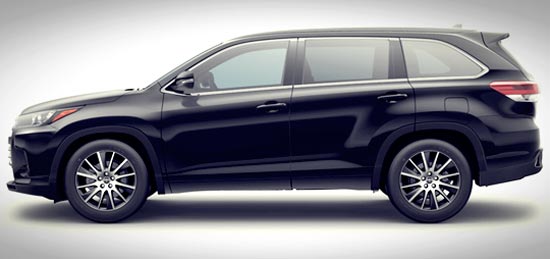
Pricing Across the Range
For the 2020 model year, Toyota priced the Highlander from $34,600 for the base L. The full list of starting prices, before the destination fee of about $1,120, was as follows:
| Grade | Starting MSRP (before destination) |
|---|---|
| L | $34,600 |
| LE | $36,800 |
| XLE | $39,600 |
| Limited | $43,650 |
| Platinum | $46,850 |
| Hybrid LE | $38,200 |
| Hybrid XLE | $41,000 |
| Hybrid Limited | $45,050 |
| Hybrid Platinum | $48,250 |
Compared with the 2019 Highlander, the 2020 model’s starting price rose by roughly $2,700, which Toyota attributed to the new standard V6, the added standard safety content, and the redesign itself. The hybrid carried a premium of about $1,400 over the equivalent gas grade.

Interior Dimensions and Practicality
The redesign lengthened the Highlander to about 194.9 inches and widened it to about 76 inches, which helped packaging. The second row slides fore and aft, and the third row folds flat to expand cargo space; a power liftgate with jam protection was standard from the LE upward. A temporary spare tire was included on all grades. Buyers needing more cargo room and third-row space than a mid-size crossover provides were directed to the larger Grand Highlander, which Toyota introduced later, or to the body-on-frame Sequoia.
Cargo and Third-Row Space
The 2020 Highlander’s third row is a 60/40 split-folding bench, and the second row slides fore and aft to balance passenger room and cargo volume. Folding the third row opens a large, flat load floor, and a power liftgate with jam protection is standard from the LE grade upward. A temporary spare tire is included on every grade. The redesign lengthened the body to about 194.9 inches, which improved third-row access relative to the previous generation, though the Highlander remains a mid-size crossover: buyers needing maximum space were pointed to the larger Grand Highlander, introduced later, or to the body-on-frame Sequoia.
How the Grades Compare
The L grade covers the essentials and was added for 2020 to lower the entry price. The LE adds the power liftgate, blind-spot monitoring, and a leather-wrapped steering wheel. The XLE, at $39,600, is the first grade with heated front seats, SofTex trim, and wireless charging. The Limited brings leather, a premium audio system, and LED projector headlights, while the Platinum tops the range with a 12.3-inch touchscreen, a head-up display, a bird’s-eye camera, and heated second-row captain’s chairs. The hybrid is available on every grade except the L, priced about $1,400 above the equivalent gas model.
Safety Inside the Cabin
Toyota Safety Sense 2.0 was standard on every 2020 Highlander, bundling pre-collision warning with pedestrian and bicyclist detection, full-speed adaptive cruise control, lane tracing assist, road sign assist, and automatic high beams. Eight airbags, a rear-seat reminder, and the Star Safety System were standard. The IIHS named the 2020 Highlander a Top Safety Pick, stopping short of the higher award because of the base headlights.
Summary
The 2020 Highlander paired an all-new, more spacious interior with a wider grade range and standard driver assistance. Its pricing ran from about $34,600 to $48,250 before destination, with the XLE marking the point at which heated seats, wireless charging, and more upscale trim became available. Buyers weighing a Highlander against the 2019 Toyota Sequoia Specs and Rumors should note that the Sequoia is a larger, thirsty body-on-frame SUV, while the Highlander is a more efficient unibody crossover. More on the higher trims appears in the 2019 Toyota Highlander Limited Platinum Review.