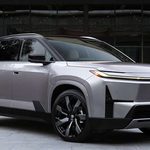
The 2021 Toyota Highlander Hybrid did not receive a redesign. The fourth-generation Highlander, including the hybrid, was new for the 2020 model year, so the 2021 version is a carryover of that vehicle with minor equipment updates. This article explains what actually changed between the model years and sets out the 2021 Highlander Hybrid’s real pricing by grade.

There Was No 2021 Redesign
Toyota introduced the fourth-generation Highlander at the New York International Auto Show on April 17, 2019, and put it on sale as a 2020 model: the V6 in December 2019 and the hybrid in February 2020. The redesign moved the Highlander to the TNGA-K platform, added length in the cargo area and introduced the current hybrid powertrain. Because that work was completed for 2020, the 2021 Highlander Hybrid is the second year of the same generation and the same architecture.
What Changed for 2021
The 2021 updates to the Highlander line were modest. Toyota added the sporty XSE grade, but only for V6 models, so it did not affect the hybrid. The bigger change was standard Toyota Safety Sense 2.5+ across the range, which added intersection support and emergency steering assist to the pre-collision system, plus lane tracing assist and road sign assist. Toyota also updated the headlamps on the L, LE and XLE grades to a projector design. For the hybrid specifically, the 2021 model was otherwise mechanically unchanged from 2020.

Hybrid Powertrain and Efficiency
The 2021 Highlander Hybrid combined a 2.5-liter four-cylinder engine with two electric motors for 243 horsepower total system output and drove through an electronically controlled continuously variable transmission. Front- and all-wheel drive were offered, with the all-wheel-drive version using a rear electric motor rather than a driveshaft. The U.S. Department of Energy rated the front-wheel-drive hybrid at 36 mpg city, 35 mpg highway and 36 mpg combined, and the all-wheel-drive hybrid at 35/35/35.
Dimensions and Practicality
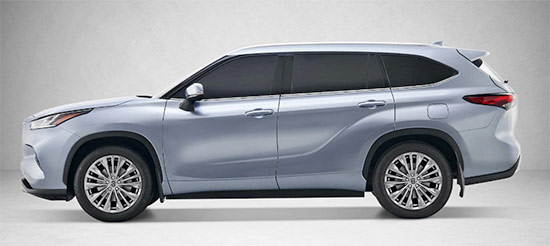
According to Cars.com, the Highlander Hybrid used the same body as the V6 model, with a 112.2-inch wheelbase, a 194.9-inch overall length, a 76.0-inch width and a 68.1-inch height. It seated seven or eight and offered 16.0 cubic feet of cargo space behind the third row, 48.4 cubic feet behind the second row and 84.3 cubic feet with the rear rows folded. Hybrid models were rated to tow 3,500 pounds.
Pricing by Grade
For 2021 the Highlander Hybrid was sold in LE, XLE, Limited and Platinum grades. The hybrid carried a premium of roughly $1,400 over a comparable V6 model. List prices started at about $38,410 for the front-wheel-drive Hybrid LE and rose to about $48,365 for the Hybrid Platinum before destination charges. All-wheel drive added a further amount on each grade, and the fee for delivery, processing and handling was charged on top of those figures.
- Hybrid LE (FWD): from about $38,410
- Hybrid XLE (FWD): from about $41,210
- Hybrid Limited (FWD): from about $45,165
- Hybrid Platinum (FWD): from about $48,365
- Hybrid premium over a comparable V6: about $1,400
Equipment and Value
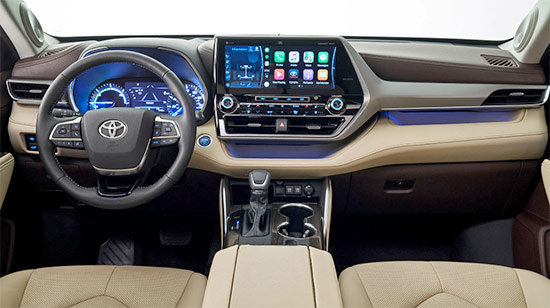
Even the entry hybrid included Toyota Safety Sense 2.5+, blind-spot monitoring with rear cross-traffic alert, three-zone automatic climate control, an eight-inch touchscreen with Apple CarPlay and Android Auto, and seating for seven or eight depending on the second-row configuration. Moving up to the XLE added SofTex-trimmed seats, a power moonroof, heated front seats and wireless phone charging, while the Limited and Platinum added leather, a premium audio system and larger displays. The cargo floor was unchanged from the V6 because the hybrid battery sat under the second-row seats.
Standard Features by Grade
The LE hybrid covered the essentials with an eight-inch touchscreen, Apple CarPlay, Android Auto and Amazon Alexa, three-zone climate control and the full Toyota Safety Sense 2.5+ suite. The XLE added SofTex-trimmed seats, a power moonroof, heated front seats, a 7-inch color multi-information display and wireless phone charging. The Limited brought leather upholstery, ventilated front seats, 20-inch alloy wheels, navigation and a premium audio system, while the Platinum topped the range with a 12.3-inch touchscreen, a 360-degree camera, a head-up display and heated second-row seats.
Warranty and Ownership
Toyota covered hybrid-related components for 8 years or 100,000 miles and the hybrid battery for 10 years or 150,000 miles, whichever comes first. The basic new-vehicle warranty ran 36 months or 36,000 miles, and the powertrain was covered for 60 months or 60,000 miles. ToyotaCare provided scheduled maintenance for two years or 25,000 miles plus two years of roadside assistance.

Running Costs
The efficiency gap between the hybrid and the V6 was the main argument for the higher sticker. At 36 mpg combined against the V6’s 24 mpg, the hybrid used far less fuel over the same distance, which offset part of its price premium over time. Buyers cross-shopping other vehicles could compare the 2021 Toyota Highlander range or the 2020 Toyota Tacoma on Toyota’s model pages.
Summary
The 2021 Highlander Hybrid is the second model year of the fourth-generation hybrid, not a redesigned car. Its real draw is a 243-hp hybrid system that returns up to 36 mpg combined in a seven- or eight-seat package, at a list price that began around $38,410 and reached about $48,365 at the top of the range.