2027 Acura MDX Type S: Turbo V6 Super Handling All-Wheel Drive Refresh and Luxury Tech
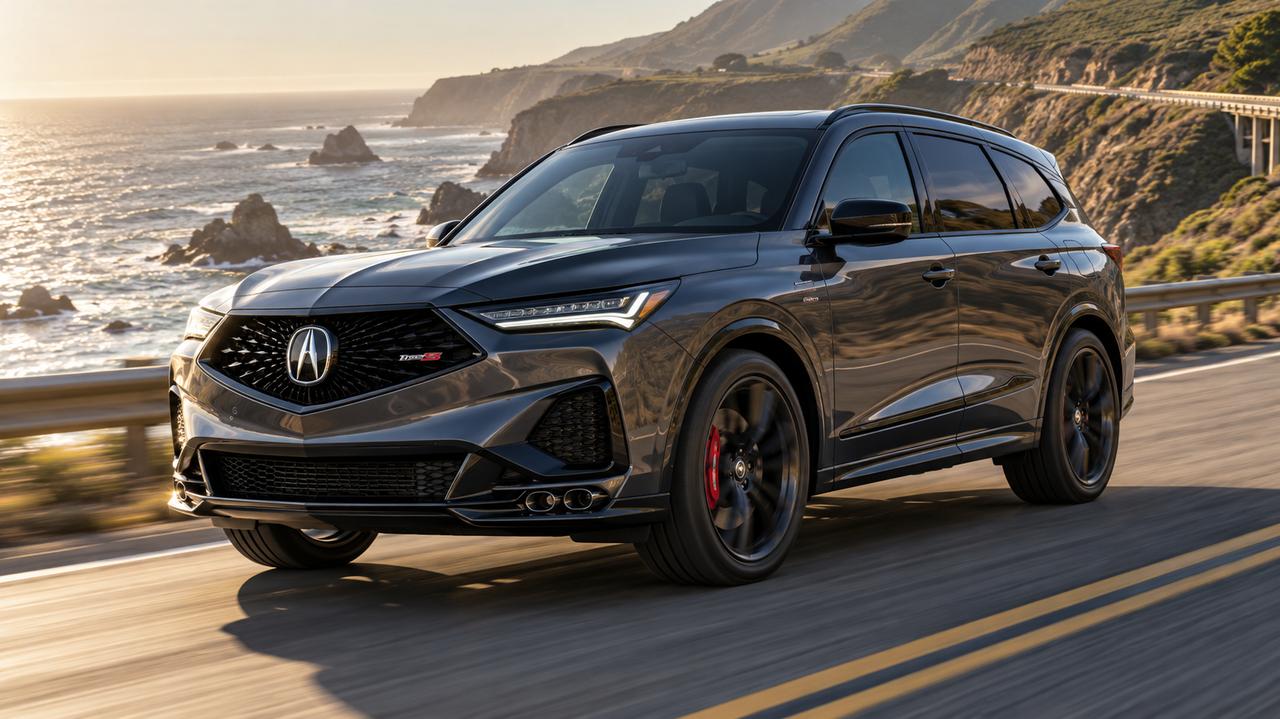
The Acura MDX Type S occupies an appealing middle ground: more engaging than a conventional three-row luxury SUV, yet less extreme than performance flagships that sacrifice comfort for speed. Its appeal comes from a turbocharged V6, torque-vectoring all-wheel drive, adaptive air suspension, and a cabin designed to accommodate family life without making every journey feel routine.
This guide to the 2027 Acura MDX Type S: Turbo V6 Super Handling All-Wheel Drive Refresh and Luxury Tech separates established engineering from model-year speculation. Without verified 2027 specifications, pricing, or an official change list, the responsible reference point is the existing MDX Type S and the substantial technology update introduced for 2025. Those details explain the vehicle’s strengths, but they should not be mistaken for confirmation of another refresh.
Background: What the MDX Type S Represents
The fourth-generation MDX arrived for the 2022 model year, bringing a more ambitious chassis and introducing Type S performance to Acura’s three-row SUV. Rather than simply adding power, Acura combined a turbocharged engine with meaningful suspension, braking, and drivetrain upgrades. The result targets drivers who need passenger space but still care about steering response and cornering balance.
The 2025 update subsequently addressed a prominent usability complaint: the previous touchpad-controlled infotainment system. A touchscreen, revised cabin technology, exterior detailing, and enhanced driver-assistance equipment made that refresh more consequential than a cosmetic facelift. For a prospective 2027 buyer, the key question is what Acura changes beyond that established package—not whether every existing feature is new.
Specifications: The Established Type S Baseline
The following table summarizes published specifications and equipment from the refreshed MDX Type S Advance configuration introduced for 2025. It provides useful context, not a confirmed 2027 specification sheet. Equipment, certification figures, and availability should be checked against the final vehicle documentation.
| Category | Established Type S Baseline | Buyer Relevance |
|---|---|---|
| Engine | 3.0-liter turbocharged V6 | Stronger midrange response than the standard MDX |
| Output | 355 horsepower; 354 lb-ft of torque | Premium fuel recommended for rated performance |
| Transmission and drive | 10-speed automatic; SH-AWD | Broad gearing and active rear torque distribution |
| Chassis | Double-wishbone front suspension; adaptive air suspension | Balances body control, comfort, and adjustable ride height |
| Brakes and wheels | Four-piston Brembo front calipers; 21-inch wheels | Performance hardware with potentially higher replacement costs |
| Cabin technology | 12.3-inch touchscreen; Google built-in; 31-speaker Bang & Olufsen audio | Major features of the refreshed Type S Advance |
| Seating and towing | Up to seven occupants; up to 5,000 pounds towing when properly equipped | Passenger and trailer loads remain subject to vehicle limits |
Turbo V6: Performance Beyond the Horsepower Figure
Why Midrange Torque Matters
The established Type S engine produces 355 horsepower and 354 lb-ft, compared with the regular MDX’s naturally aspirated 3.5-liter V6 delivering 290 horsepower and 267 lb-ft. The torque increase is particularly relevant when merging, overtaking, or carrying passengers uphill. It reduces the need to chase high engine speeds for useful acceleration.
The 10-speed automatic helps reconcile relaxed cruising with brisk response, although its behavior depends on drive mode and throttle input. A meaningful test drive should include a rolling acceleration maneuver, a low-speed junction, and stop-and-go traffic. Those situations reveal more about everyday powertrain calibration than a single full-throttle launch.
Performance Comes With Ownership Trade-Offs
Do not assume a turbocharged engine automatically saves fuel. Vehicle weight, aerodynamic drag, acceleration habits, and boost demand all matter. Budget for premium gasoline, substantial tires, and performance brake servicing, and wait for official 2027 EPA ratings rather than relying on estimates presented as certified figures.
Acura’s Type S philosophy also changes with the vehicle. The linked 2027 Acura Integra Type S: Track Focused Performance Tweaks, Brembo Brakes, and Exhaust Note offers a related performance topic, but its model-year claims require independent confirmation. The MDX’s mission remains fast, comfortable family transport rather than lightweight track specialization.
Super Handling All-Wheel Drive Explained
SH-AWD is more sophisticated than an arrangement that merely sends power rearward after the front tires slip. In the established MDX system, up to 70 percent of engine torque can be directed to the rear axle, and up to 100 percent of that rear-axle torque can go to either rear wheel under suitable conditions.
During a powered corner, directing additional torque toward the outside rear wheel creates a turning effect that helps the SUV follow the intended path. The sensation is less about dramatic oversteer and more about reducing the nose-heavy reluctance associated with some large vehicles.
However, SH-AWD cannot override tire grip or shorten every emergency stop. Winter tires remain important in sustained cold weather, and smooth driving still matters on wet roads. Its benefits are most apparent when accelerating through a bend, not when coasting through one with little power applied.
Air Suspension, Brakes, and Real-World Ride Quality
Adaptive air suspension gives the Type S a broader operating range than a fixed-height, conventionally sprung setup. Adjustable ride height and electronically controlled damping serve different functions: the former changes vehicle position, while the latter manages suspension movement. Together, they help balance comfort and body control.
The double-wishbone front suspension provides engineers with useful control over wheel geometry, while the Brembo front brakes add capability appropriate to the vehicle’s performance. Nevertheless, stopping distance depends heavily on tire compound, road conditions, temperature, and load—not simply the brake-caliper badge.
Large 21-inch wheels look purposeful but make a rough-road test essential. Drive over patched pavement and expansion joints before deciding whether the ride suits your household. Buyers prioritizing rugged-road utility can also explore 2027 Honda Ridgeline TrailSport: Unibody Truck Upgrades, High-Strength Skid Plates, and Price, while verifying any future equipment claims separately.
Luxury Technology: The Refresh That Already Matters
Touchscreen Usability and Connected Services
The refreshed MDX’s 12.3-inch touchscreen replaces the earlier touchpad interface, making direct selection possible without translating finger movements on a separate surface. Google built-in adds integrated navigation and voice functions, while wireless Apple CarPlay and Android Auto provide familiar smartphone interfaces.
Connectivity deserves practical scrutiny. Ask which services require a subscription, how long any included data plan lasts, and which functions remain available without cellular coverage. A polished showroom demonstration does not necessarily reveal long-term connectivity costs.
Audio, Seating, and Driver Assistance
The established Type S Advance includes a 31-speaker Bang & Olufsen system and massaging front seats. Evaluate audio with familiar recordings at moderate volume, then check second-row comfort and third-row access. Seven seating positions do not guarantee comfortable accommodation for seven adults on a long journey.
The refreshed Type S Advance also introduced AcuraWatch 360, expanding sensing hardware and assistance functions. These systems support an attentive driver; they do not make the MDX autonomous. Confirm the actual 2027 feature list and operating limitations before treating any assistance capability as standard.
Family Utility and Alternative Powertrains
The MDX works best when its third row serves children or occasional passengers and its cargo area handles a flexible mix of luggage and seating. Bring child seats, a stroller, or representative bags to the dealership. For towing, account for tongue weight, occupants, luggage, and accessories within the vehicle’s payload limit.
Families comparing energy costs may find 2027 Honda Prologue EV: Upgraded Ultium Battery Platform, Faster DC Fast Charging, and Trims relevant, but should verify battery and charging claims against official documentation. Likewise, 2027 Honda Odyssey Hybrid: Long-Awaited Electrified Minivan Redesign, Cabin Magic, and Release raises a useful packaging comparison without establishing that a 2027 hybrid Odyssey is confirmed.
Verdict: Buy the Verified Vehicle, Not the Rumor
The MDX Type S has a coherent identity: turbocharged flexibility, genuinely useful torque vectoring, adaptable suspension, and upscale technology in a three-row package. Its strongest argument is how those systems work together, rather than any isolated specification.
For 2027, insist on an official equipment sheet, final pricing including destination, warranty terms, and a representative test drive. Until Acura confirms further changes, treat refresh claims as provisional. The established formula is compelling enough to evaluate on its merits without inventing another redesign.